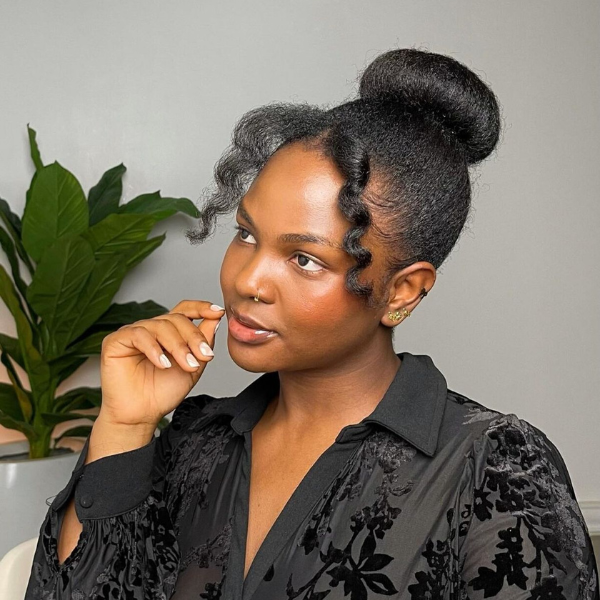
Celebrating World Afro Day

(Picture by @festicia on Pinterest)
Every year on 15 September, people across the world come together to celebrate World Afro Day. It is more than a date in the calendar. It is a global movement that shines a light on the beauty, heritage and significance of Afro hair. For many of us, our hair is not only about style but also about culture, pride and identity. At FroHub, we are proud to be part of this journey by connecting Afro hairdressers with clients who want to embrace and celebrate their Afro hair.
A Brief History of Afro Hair
Afro hair is rooted deep in history. For centuries, hairstyles across Africa were more than just about beauty. They carried deep cultural meaning. Braids and patterns could show a person’s tribe, age, social status or even marital status. Hair was a form of identity and community, often styled during social gatherings that brought people together.
However, the transatlantic slave trade disrupted this history greatly. Enslaved Africans were often stripped of their cultural practices, including traditional hair styling. Their heads were shaved, and the deep symbolism of hair was suppressed. Despite this, Afro hair remained a quiet act of resilience. Styles such as cornrows were not only a way of managing hair under difficult conditions but also became a secret code. Patterns were used to map escape routes and pass on messages of hope and survival.
In the twentieth century, Afro hair was seen in a different light. The 1960s and 70s saw the Afro become a bold symbol of pride, protest and political power. The natural hair movement encouraged people to reject chemical straighteners and wigs that conformed to Eurocentric beauty ideals. Wearing natural hair became an act of resistance and a celebration of Black identity.
Today, Afro hair continues to evolve. It is both a connection to heritage and a creative expression of individuality. Whether styled in traditional braids, twists or a bouncy Afro, it carries a history of strength, beauty and resilience that deserves recognition and celebration.
Why World Afro Day Matters
World Afro Day began in 2017 when Michelle De Leon founded the movement to challenge negative stereotypes and honour Afro hair for what it is and the identity it represents. It has now quickly grown into a global celebration that educates, inspires and uplifts.
For generations, society has judged Afro hair through Eurocentric beauty standards. Many people have experienced discrimination in schools, workplaces and even within the beauty industry itself. World Afro Day creates a space to change those narratives. It focuses on celebrating natural textures, educating others to respect them, and ensures Afro hair is recognised as an important part of cultural heritage
The Power and Versatility of Afro Hair
Afro hair is one of the most versatile hair types in the world. From Afros, locs and braids to twists, fades and bantu knots, there are endless ways to express creativity and individuality. Each style tells its own story and reflects both history and innovation.
This versatility is something that should be celebrated. It is a reminder of resilience and self-expression, and it inspires new generations to embrace their natural hair with pride.
Education and Changing Perceptions
Too often, misconceptions about Afro hair are rooted in lack of knowledge and representation. In recent years, we have seen a powerful shift in the way public figures and celebrities choose to wear their hair, and this has had an enormous impact on how Afro hair is viewed more broadly.

(Picture: Getty Images)
Icons such as Lupita Nyong’o have consistently embraced their natural hair on red carpets, choosing styles that reflect both elegance and cultural authenticity, and she has spoken openly about the importance of representation and of challenging the narrow beauty standards that dominated Hollywood for decades. She has also published a children’s book named Sulwe telling the story of a young Black girl learning about self love.

(Picture: Getty Images)
Similarly, Viola Davis has often highlighted her natural hair in films and at awards shows, making the choice to be unapologetically herself in spaces that traditionally demanded conformity to Eurocentric beauty standards.

(Picture: Getty Images)
Athletes, too, are part of this movement; Serena Williams and her sister Venus have worn braids on tennis courts since the earliest days of their careers, and this choice, which might have seemed simple, was in fact groundbreaking in an environment where such styles had never been seen at the professional level; their visibility helped normalise Afro hairstyles in sports and inspired countless young Black girls to see their natural hair as strong, beautiful and worthy of admiration.
These examples highlight the fact that when celebrities embrace Afro hair, they do more than express personal style; they reclaim narratives, push against outdated expectations and demonstrate to global audiences that Afro hair is not something to be hidden or altered but something to be celebrated, cherished and shown proudly.
World Afro Day is a reminder that our hair is beautiful, powerful and worthy of celebration. Let us use this moment to honour our heritage, support our stylists and continue to build a future where Afro hair is respected everywhere. Remember to embrace your natural hair and encourage others to do the same. World Afro Day is not just about one day in the year. It is about changing mindsets and building confidence every single day.
You may also be interested in