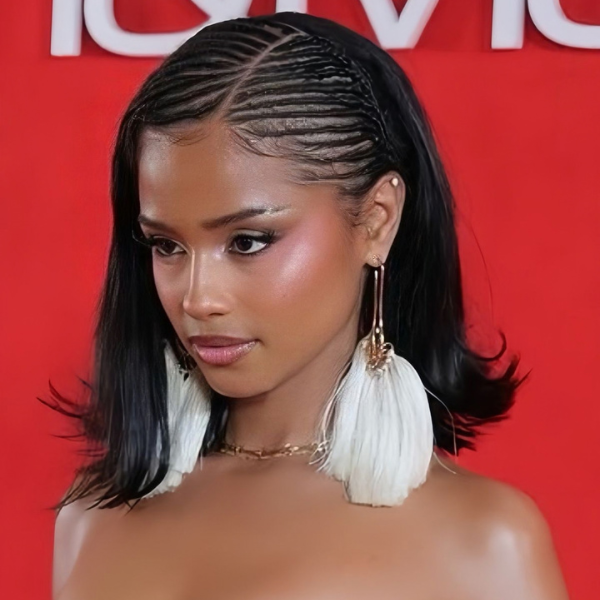
(Picture by MarieVHair)
A ponytail weave is achieved by gathering and braiding your hair into a ponytail, then sewing extensions around the braid to create a longer, more voluminous ponytail style.


(Picture: Pinterest)
You maybe considering getting a weave at your next hair appointment – but with so many options available, it’s not always easy to know where to start. Whether you’re craving extra length, more volume, a new texture, or simply a protective style that lets your natural hair thrive, understanding the different types of weaves will make your decision much easier. But before we get into different types of weaves, if you want to get your hair done professionally you can find the top Afro hairdressers for weaves here.
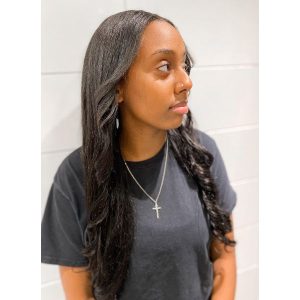
(Picture by Hair by Winta)
A full head sew-in weave involves braiding all of your natural hair into cornrows, then stitching the extensions directly onto those braids.

(Picture by Symmetry Beauty)
A sew-in weave with leave-out means a small section of your own hair – typically around the front and sides – is left out so it can blend seamlessly with the sewn-in extensions.
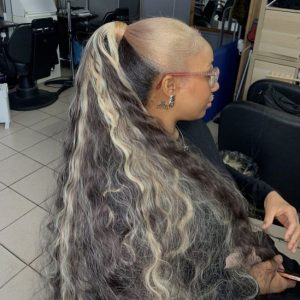
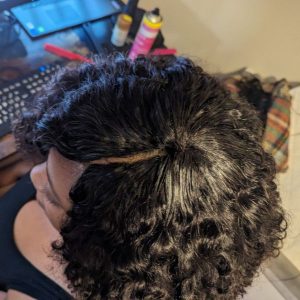
(Picture by Crown Royale)
An invisible part sew-in is a full sew-in where a fixed, natural-looking parting is made. Once the part is set, it cannot be adjusted or repositioned.
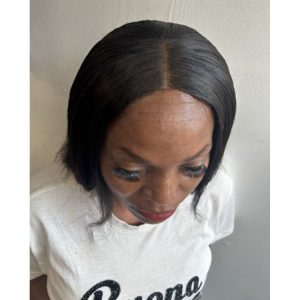
(Picture by Hair by Meria)
A closure sew-in weave follows the same process as a full sew-in, but includes a closure piece to form a neat, defined parting. This can be positioned centrally or to the side, depending on your preferred look.
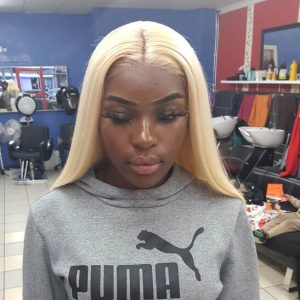
(Picture by Luemas Hair and Beauty)
A frontal sew-in weave is created by installing the extensions as you would for a full sew-in, then securing a frontal piece on top. Frontals are a popular choice because they allow for greater styling flexibility.
For Black hairstyle inspiration, and how to’s on Afro hair care, explore our Afro hair tutorials.
You may also be interested in